The construction industry is undergoing a quiet revolution, one that’s reshaping how projects run, how crews work, and how the bottom line looks at the end of the day. Battery-powered construction equipment is no longer a niche solution or a “nice-to-have” for environmentally conscious contractors. It’s rapidly becoming the standard on modern job sites, and for good reason.
The Compelling Case for Battery-Powered Construction Equipment
From reduced fuel costs and lower emissions to quieter operations and decreased maintenance headaches, the shift toward standardized battery-powered tools and machinery is delivering measurable benefits that contractors can’t ignore. Whether you’re managing a small residential project in Connecticut or overseeing a large commercial development in Massachusetts, the question isn’t whether to adopt battery-powered construction equipment, it’s how quickly you can integrate it into your fleet.
The economics alone tell a compelling story. Traditional gas-powered equipment requires constant refueling, oil changes, air filter replacements, and spark plug maintenance. Battery-powered alternatives eliminate most of these recurring costs while delivering consistent power output throughout the workday. Contractors who’ve made the switch report savings of 30-50% on equipment operating costs within the first year alone.
Understanding the Battery-Powered Equipment Ecosystem
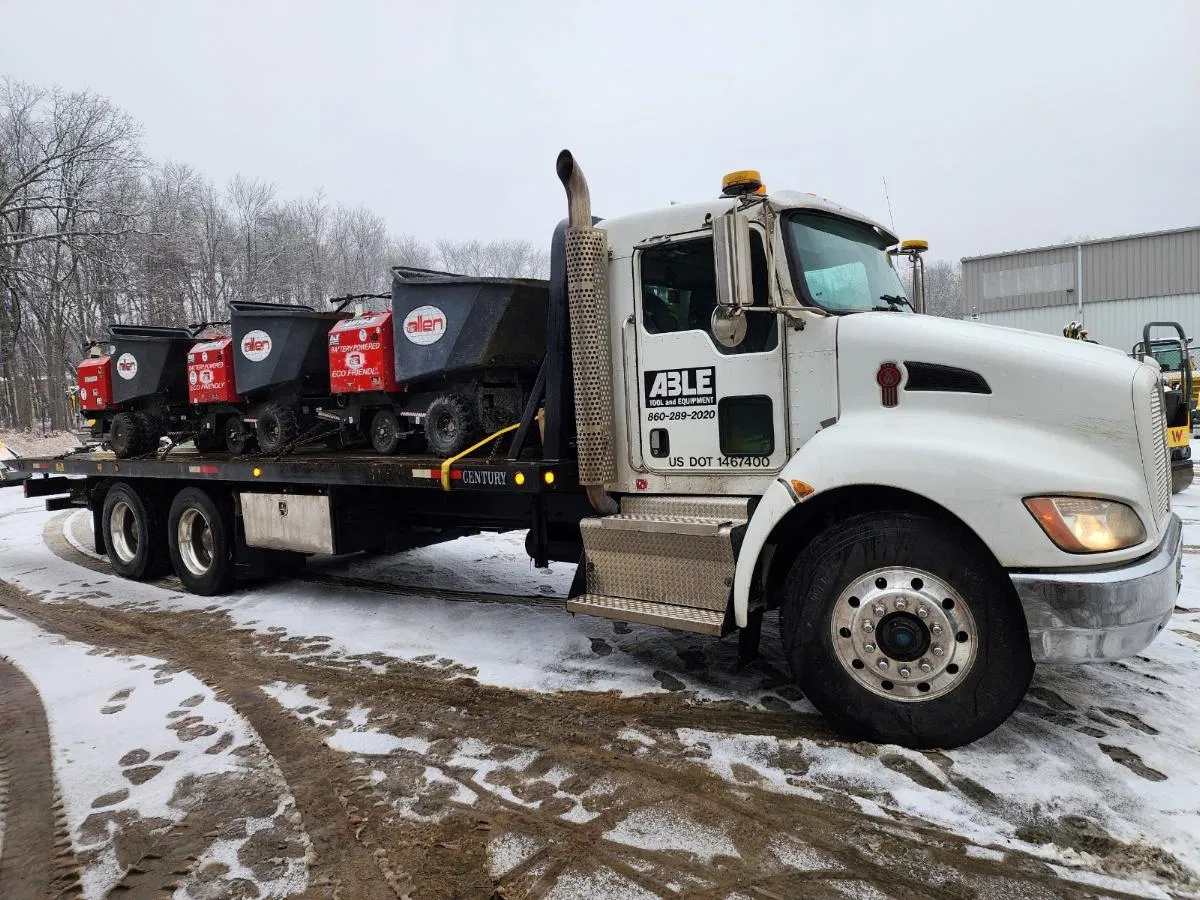
Battery-powered construction equipment encompasses a wide range of tools and machinery that modern contractors rely on daily. The ecosystem now includes everything from hand-held power tools like drills, saws, and grinders to larger equipment such as compactors, concrete mixers, material lifts, and even compact excavators. What makes today’s battery technology particularly game-changing is the lithium-ion chemistry that provides longer runtime, faster charging, and significantly more charge cycles than previous generations of battery technology.
The standardization movement in battery-powered equipment centers on creating interchangeable battery platforms. Leading manufacturers have developed systems where a single battery can power dozens of different tools and machines. This interoperability means your crew can swap batteries between a concrete saw, a demolition hammer, and a material lift without needing different chargers or battery types for each piece of equipment.
Key Advantages of Standardizing Your Battery-Powered Fleet
By standardizing on compatible battery systems across your equipment lineup, you eliminate the complexity of managing multiple power sources, reduce downtime, and empower your crews to work more efficiently.
Operational Efficiency and Productivity Gains
When your entire fleet operates on the same battery platform, logistics become dramatically simpler. Instead of managing separate charging stations, fuel cans, extension cords, and generator schedules, your crew simply rotates through a unified battery inventory. This streamlined approach reduces the time spent on equipment preparation and increases actual productive work time.
Battery-powered construction equipment also eliminates the warm-up time required by gas engines and the cool-down periods necessary before refueling. Workers can start tasks immediately and switch between tools without delay. For time-sensitive projects where every minute counts, these efficiency gains translate directly to cost savings and improved project timelines.
Environmental and Regulatory Compliance
The regulatory landscape increasingly favors battery-powered construction equipment. Many municipalities have enacted or are considering emissions restrictions for construction sites, particularly in residential areas and near sensitive environments. By transitioning to battery-powered equipment now, contractors position themselves ahead of these regulatory curves rather than scrambling to comply when restrictions take effect.
Beyond compliance, the environmental benefits resonate with clients who prioritize sustainability in their construction projects. Having a predominantly battery-powered fleet becomes a competitive differentiator when bidding on projects for environmentally conscious developers, schools, hospitals, and government facilities. This green credential can be the deciding factor that wins you the contract.
Workplace Safety and Crew Satisfaction
One of the most underappreciated advantages of battery-powered construction equipment is the dramatic reduction in noise levels. Gas-powered equipment creates a constant din that not only disturbs surrounding neighborhoods but also makes jobsite communication difficult and contributes to long-term hearing damage for workers. Battery-powered alternatives operate at a fraction of the noise level, allowing crews to communicate clearly without shouting and reducing the need for constant hearing protection.
The absence of exhaust fumes creates a healthier work environment, particularly important for interior work or projects in poorly ventilated spaces. Workers no longer breathe in carbon monoxide and other combustion byproducts that can cause headaches, fatigue, and long-term health issues. Contractors who’ve switched to battery-powered equipment report higher crew morale and reduced turnover, as workers appreciate the quieter, cleaner working conditions.
Reduced Maintenance Requirements
Battery-powered construction equipment has far fewer moving parts than gas-powered counterparts. There are no spark plugs to replace, no carburetors to clean, no air filters to change, and no oil to monitor. The simplified maintenance schedule means less downtime, lower maintenance costs, and fewer headaches for equipment managers. Your crew spends time working rather than troubleshooting finicky engines or dealing with equipment that won’t start on cold mornings.
Modern battery management systems also include smart diagnostics that alert you to potential issues before they cause failures. This predictive maintenance capability allows you to address problems during scheduled downtime rather than dealing with unexpected breakdowns in the middle of critical project phases.
Real-World Implementation: Making the Transition Work
That’s why forward-thinking contractors throughout South Windsor and Springfield are making the strategic move now, ensuring they have access to the latest battery-powered solutions when their projects demand it.
Transitioning to battery-powered construction equipment doesn’t have to happen overnight. The most successful implementations follow a strategic, phased approach. Start by identifying the tools and equipment your crews use most frequently. These high-utilization items deliver the fastest return on investment when converted to battery power. Hand-held tools like drills, impact drivers, and circular saws are excellent starting points because they’re used constantly and the battery-powered versions have reached full parity with corded and gas alternatives.
As your battery inventory grows, expand to mid-size equipment like demolition hammers, cut-off saws, and portable lighting systems. These tools benefit significantly from cordless operation, giving workers greater mobility and eliminating trip hazards from power cords. The final phase involves larger equipment such as compactors, concrete equipment, and material handling machines. While these represent larger investments, the operating cost savings and efficiency gains justify the transition.
Training and Adoption Strategies
Successful battery-powered equipment adoption requires proper crew training. While battery tools are generally simpler to operate than gas equipment, workers need to understand battery management best practices. This includes knowing how to monitor charge levels, when to swap batteries to maintain productivity, proper charging procedures, and battery storage protocols to maximize lifespan.
Create a battery management system that makes it easy for crews to track which batteries are charged, in use, or charging. Simple solutions like color-coded battery stations or numbered battery sets assigned to specific crews can prevent confusion and ensure batteries are always available when needed. Some contractors implement a buddy system where each crew member is responsible for managing their assigned battery set throughout the day.
Industry Insights: The Standardization Movement
The construction equipment industry has recognized that standardization is key to widespread battery adoption. Industry analysis on standardizing battery-powered equipment highlights how manufacturers are collaborating to create cross-compatible battery platforms that work across different brands and equipment types. This standardization effort removes one of the biggest barriers to adoption by ensuring contractors aren’t locked into a single manufacturer’s ecosystem.
This industry shift mirrors what happened in the cordless tool market over the past decade, where battery platform compatibility became a major purchasing factor. Contractors can now build comprehensive battery-powered fleets knowing their investment in batteries and chargers will support both current equipment and future additions. The result is a more flexible, scalable approach to equipment management that adapts as technology continues advancing.
Making the Investment Work: Financial Considerations
While battery-powered construction equipment typically carries a higher upfront cost than gas-powered alternatives, the total cost of ownership tells a different story. When you factor in fuel savings, reduced maintenance expenses, elimination of generator costs, and increased productivity, most contractors achieve payback within 18-24 months. After that break-even point, the operating cost advantages continue delivering savings year after year.
Many equipment suppliers now offer flexible financing and rental options that make the transition more manageable. Renting battery-powered equipment for specific projects allows contractors to experience the benefits firsthand without full capital commitment. This trial approach helps build confidence in the technology and provides real-world data on how battery equipment performs in your specific applications.
Additionally, various incentive programs and rebates exist for contractors adopting low-emission equipment. State and local programs in Connecticut and Massachusetts periodically offer financial incentives for transitioning to battery-powered construction equipment. These incentives can significantly offset initial investment costs, making adoption even more financially attractive.
Regional Considerations for Connecticut and Massachusetts Contractors
Contractors operating in Connecticut and Massachusetts face unique considerations that make battery-powered construction equipment particularly advantageous. The region’s mix of residential neighborhoods, historic districts, and environmental protection areas means noise and emission restrictions are increasingly common. Battery-powered equipment allows you to work in these sensitive areas without violations or complaints.
The climate in Southern New England also favors battery technology. Cold weather can make gas engines difficult to start and operate inefficiently. Modern lithium-ion batteries, while slightly affected by extreme cold, perform far more reliably than small gas engines in winter conditions. Battery-powered equipment starts instantly regardless of temperature, eliminating the frustration of engines that won’t turn over on cold mornings.
For contractors serving South Windsor, Springfield, and surrounding communities, having battery-powered equipment available can be a significant competitive advantage when bidding residential projects in established neighborhoods where noise complaints and emissions concerns make gas equipment problematic.
The Future is Battery-Powered
The trajectory is clear: battery-powered construction equipment is rapidly becoming the industry standard rather than the exception. Technology continues advancing, with new battery chemistries promising even longer runtimes, faster charging, and extended lifespans. Equipment manufacturers are investing heavily in expanding their battery-powered product lines, with new tools and machines being released constantly.
Contractors who adopt battery-powered equipment now position themselves at the forefront of this industry transformation. They gain experience with the technology, build efficient battery management systems, and establish themselves as modern, environmentally responsible operations. This forward-thinking approach appeals to both clients seeking progressive contractors and workers who want to work for companies investing in better tools and safer work environments.
The question facing contractors today isn’t whether battery-powered construction equipment will dominate the industry in the future. That outcome is virtually certain. The real question is whether you’ll be ahead of the curve, experiencing the benefits while competitors are still dependent on gas-powered equipment, or whether you’ll be playing catch-up when the transition becomes unavoidable.
Take the Next Step Toward a Battery-Powered Fleet
Ready to upgrade your fleet with battery-powered construction equipment? Contact us today at 860-891-6515 to learn about the options we stock in South Windsor, CT and Springfield, MA. Our equipment specialists can assess your current fleet, recommend the most strategic battery-powered solutions for your applications, and design a transition plan that minimizes disruption while maximizing the benefits of modern battery technology. Whether you’re looking to rent equipment for an upcoming project or ready to commit to purchasing a complete battery-powered fleet, we have the expertise and inventory to support your success.